Beyond the Percentage: The Quality of Protein Your Pet Really Needs
In the world of pet nutrition, protein often takes center stage. It is an essential nutrient, a cornerstone of the health and vitality of our beloved companions. However, there is a very common misconception: the idea that more protein is always better. At Togo Animal Care, we want to debunk this myth and guide you toward a deeper understanding: the quality of the protein is, by far, more important than the sheer quantity.
What Are Proteins and Why Are They Vital for Your Pet?
Proteins are complex macromolecules made up of amino acids, the fundamental "building blocks" of life. For dogs and cats, they are crucial for countless bodily functions:
- Muscle development and maintenance: Key to strength and mobility.
- Healthy skin and coat: Protein is a main component of keratin, which forms hair and the outer layer of the skin.
- Production of enzymes and hormones: Essential for digestion, metabolism and the body's regulation.
- Strengthening the immune system: Antibodies, which fight disease, are made of protein.
- Tissue and cell repair: Vital for recovery and growth.
The Myth Unmasked: More Is Not Always Better
When you choose a food for your pet, it's natural to look at the crude protein percentage on the label. Many brands compete to show the highest numbers, implying that this means a superior product. But this figure on its own can be misleading.
Imagine you are building a house. You don't just need lots of bricks, you need good-quality bricks that won't crumble. The same goes for proteins. A high percentage of low-quality protein, hard to digest and with an incomplete amino acid profile, will not benefit your pet as much as a smaller amount of high-quality protein.
The Truth Behind the Label: Protein Quality
Protein quality is defined mainly by two factors:
- Digestibility: How well can your pet's body break down and absorb the amino acids in that protein? High digestibility means your pet gets the most out of every bite.
- Amino acid profile: Does the protein contain all the essential amino acids that your pet cannot produce on its own and needs to get from its diet? Cats, for example, have a strict requirement for taurine, an amino acid found predominantly in animal proteins.
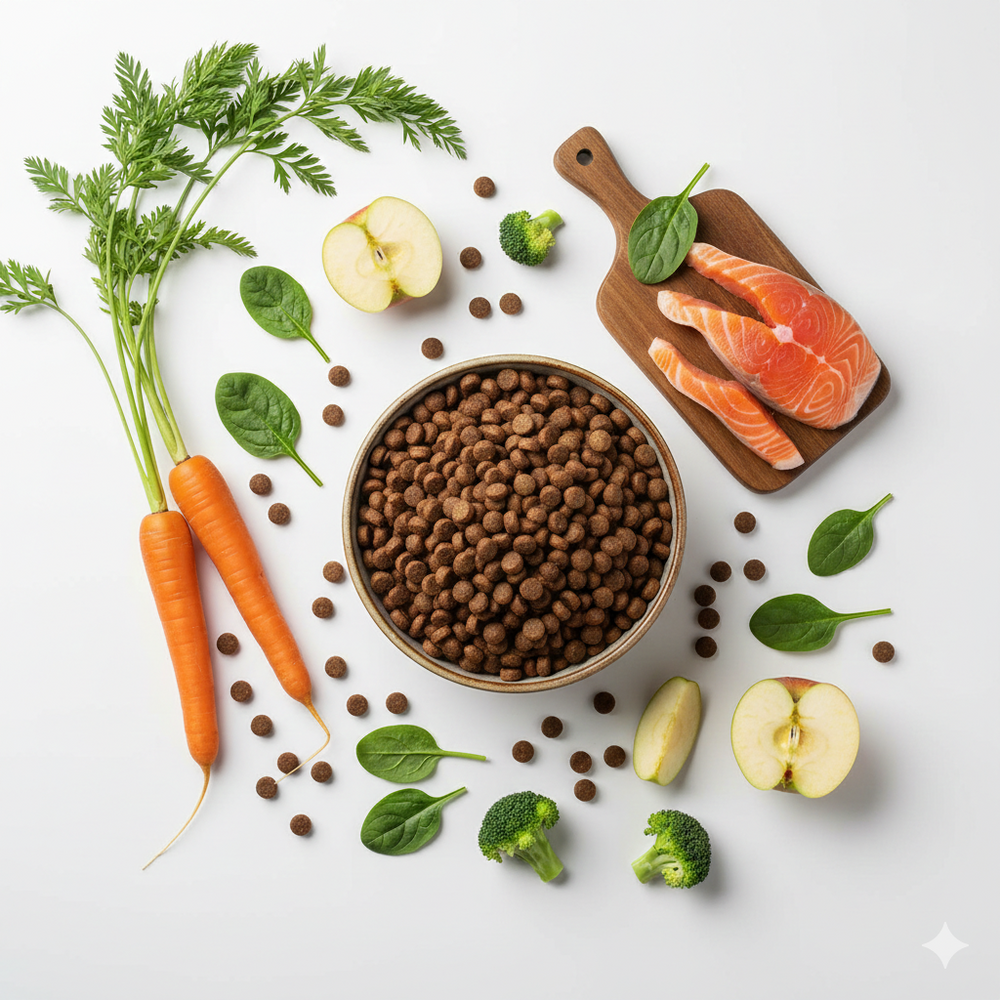
High-quality protein sources are usually of animal origin, such as lean chicken, turkey, fish, egg and certain organ meats. These offer a complete amino acid profile and excellent digestibility for dogs and cats.
How to Identify High-Quality Proteins in Your Pet's Food
Being an informed consumer is key to your companion's well-being. Here are some tips for assessing protein quality:
- First ingredients: Look for specific animal proteins (e.g. "chicken", "lamb", "salmon") listed among the first ingredients. This indicates they are the main base of the formulation.
- Avoid vague terms: Be wary of ingredients such as "meat meal" or "animal by-products" with no source specified. Although they are not always bad, they can be inconsistent in quality and digestibility.
- "[Specific animal] meal": A high-quality chicken or fish meal (e.g. "chicken meal") can be a concentrated, nutritious ingredient, since much of the water has been removed, resulting in a high protein content by weight.
- Clarity and transparency: Premium brands are usually transparent about the origin of their proteins.
Balance Is Key to Your Companion's Natural Well-Being
At Togo Animal Care, our philosophy is centered on overall well-being. We understand that protein is vital, but it must be part of a balanced diet that includes complex carbohydrates, healthy fats, vitamins and minerals. An obsession with a single nutrient can distract from the full picture.
By prioritizing quality over quantity of protein, you make sure your pet gets essential nutrients in the most bioavailable and effective way possible. This translates into strong muscles, a shiny coat, sustained energy and a robust immune system, contributing to a full and happy life for your faithful friend.
Choose wisely, read labels carefully and trust brands that, like Togo Animal Care, are committed to high-quality ingredients for your pet's natural well-being.
Related Products
Three different protein sources, so the comparison in the article is concrete.
Keep reading: how to read a dog food label · hypoallergenic dry food for dogs: how to know if your dog needs it